Transport Research Arena (TRA) 2026, Europe’s flagship event on transport research and innovation, took place in Budapest from 18 to 21 May. Held under the theme “ReGeneration in transport” and co-organised by the European Commission, the conference brought together over 3,000 participants from across Europe and beyond to exchange views on mobility challenges, research results, and the future of the transport sector.
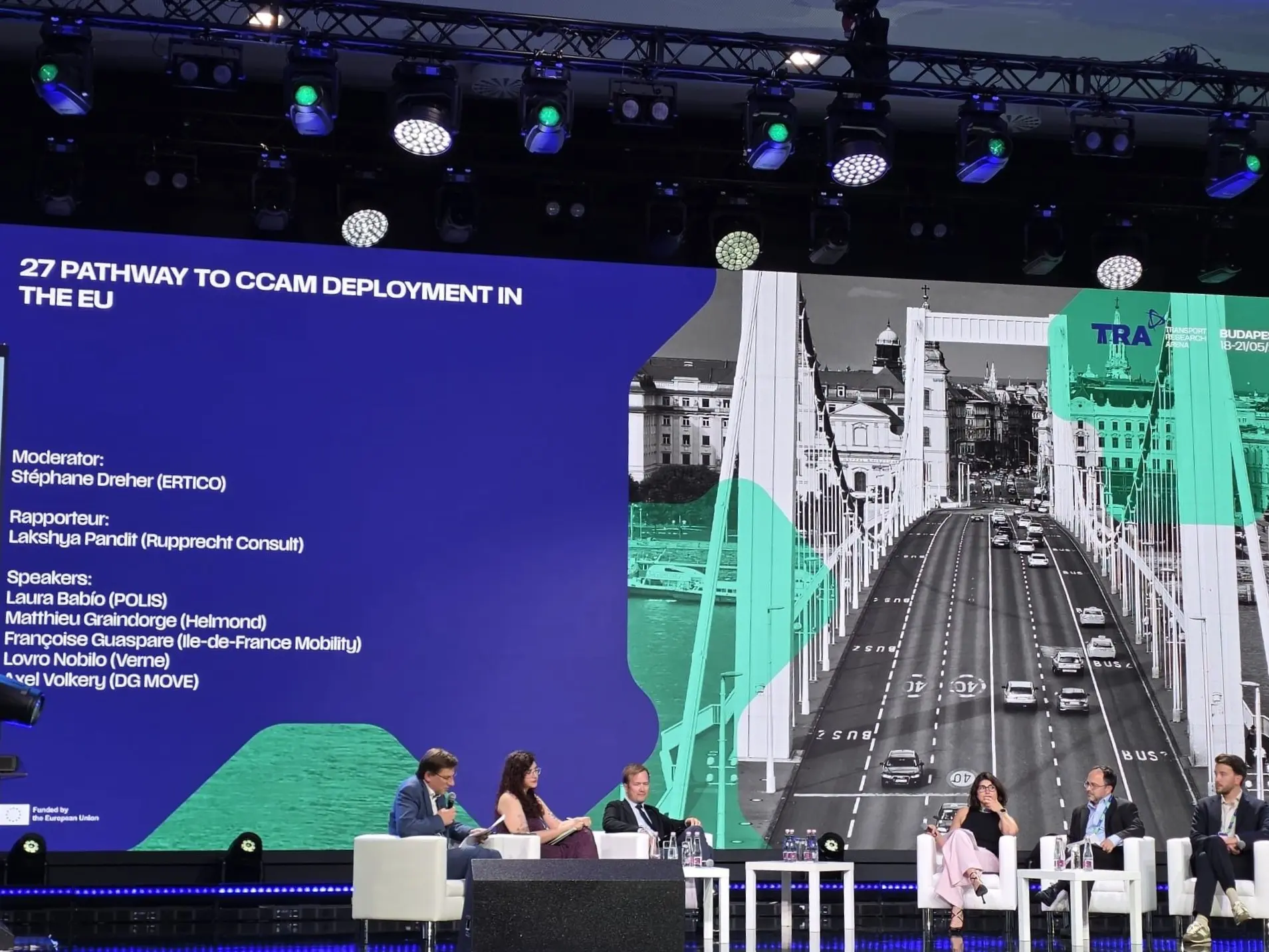
periASTY was represented at the event by Matthieu Graindorge (Gemeente Helmond), who took part as a panellist in Special Session 27: “Pathway for CCAM Deployment in Europe”, moderated by Stéphane Dreher. He was joined on the panel by Axel Volkery (DG MOVE), Laura Babío Somoza (POLIS), Françoise Guaspare (Ile-de-France Mobilités), and Lovro Nobilo (Verne). The session brought together voices from across the Connected, Cooperative and Automated Mobility (CCAM) implementation value chain, including the European Commission, regional and city authorities, and industry, to explore how Europe can move from pilots and demonstrations towards scalable, sustainable operations and deployment of automated mobility services.
During the session, Matthieu Graindorge presented Helmond’s ambition to implement a CCAM on-demand mobility system as part of the periASTY project, in collaboration with partners Remoted and Nemi. He emphasised the importance of societal acceptance, inclusivity, and accessibility, and the need for innovation that genuinely serves citizens across territories of all sizes.
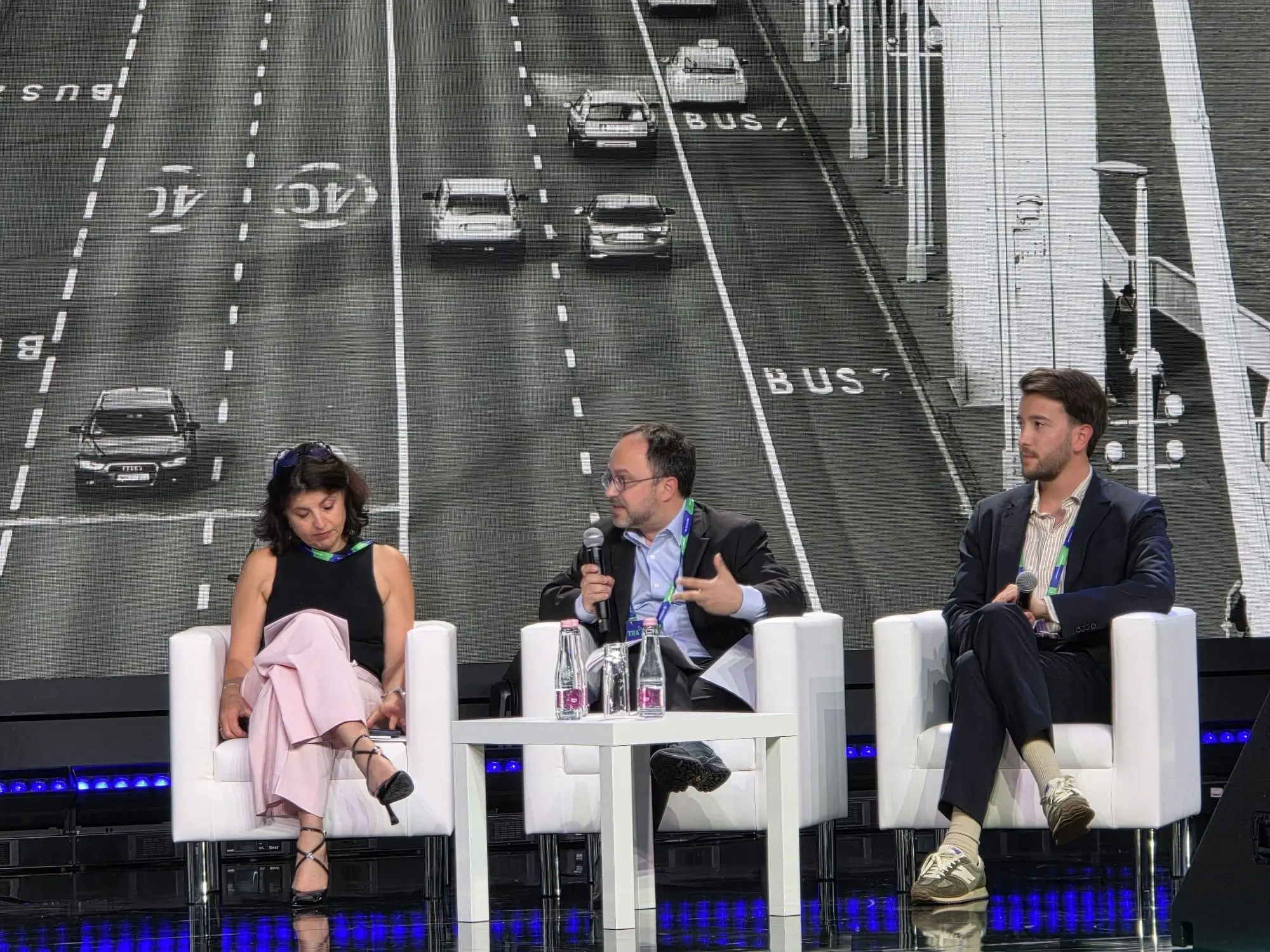
The discussion made clear that CCAM deployment in Europe is no longer primarily a technological challenge. Panellists agreed on the need for a common European framework that can accommodate varying local readiness levels, stronger regulatory and governance alignment. Public value objectives of safety, accessibility, sustainability, and inclusion, must remain the guiding principles behind deployment.
TRA 2026 offered periASTY a valuable opportunity to share the project’s approach with a wide audience of researchers, policymakers, and industry representatives, while gaining insights into the broader landscape of CCAM deployment across Europe, marking an important moment for knowledge exchange and building connections that can inform the work ahead.